
Rethinking Alcohol: Harm Reduction Structures That Actually Work
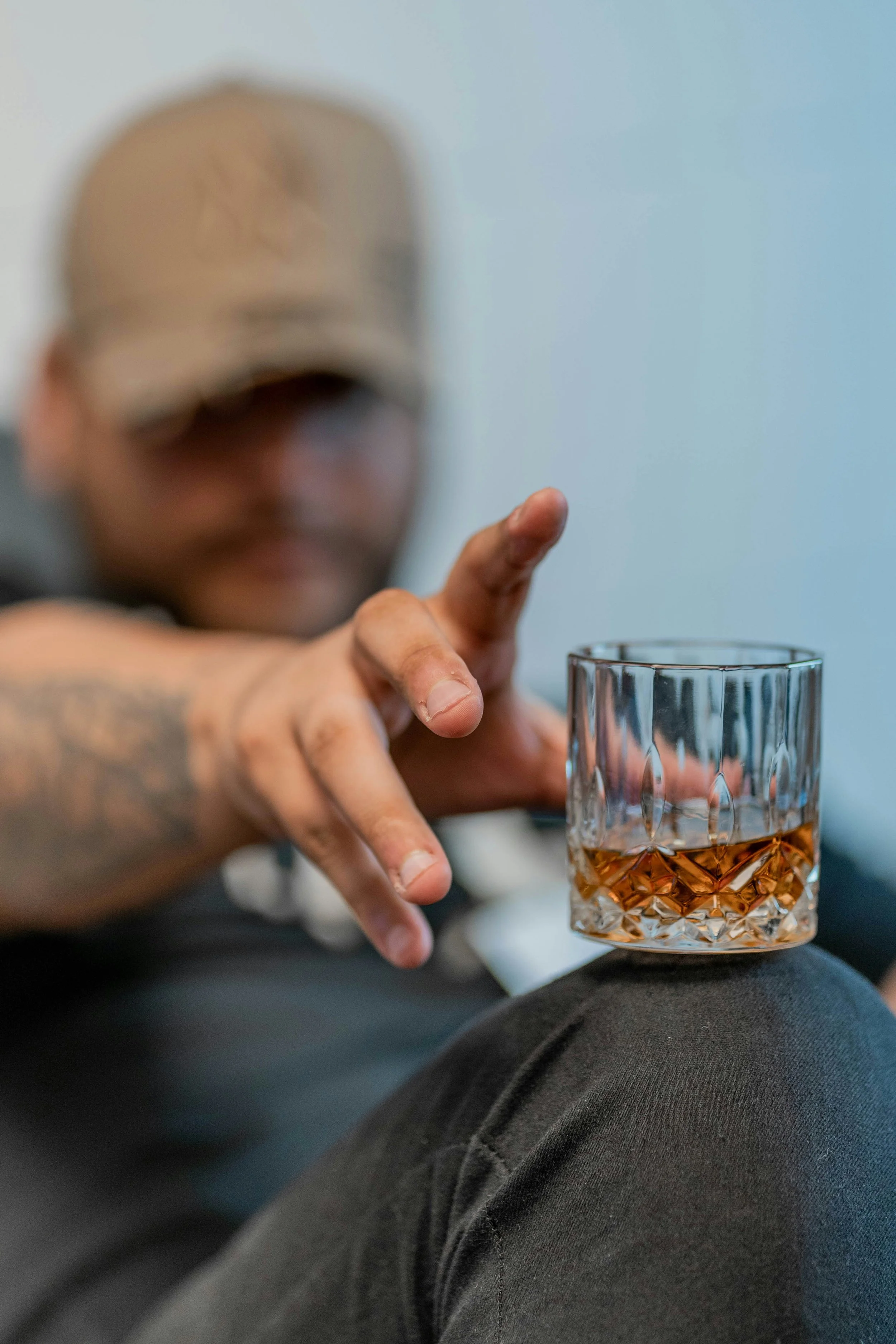
It’s common for people to ask about alcohol use in counselling. And obviously, the question is not about how to drink more, although who knows, maybe that day will come. I have an interesting job.
Most of the time, the people coming to me are not in the “full-blown addiction” category. Instead, they feel that alcohol is having some sort of undesired impact on their lives.
Many are what we used to call “heavy drinkers” or “functioning alcoholics”. They come to me, often of their own accord, looking for ways to reduce consumption and limit the different ways alcohol interferes with the life they truly want.
In modern terms, they’re looking for harm-reduction strategies.
What Harm Reduction Actually Means
Before going further, I think it’s important to acknowledge a couple of things about harm reduction and alcohol use:
First, there are plenty of people who sincerely doubt its effectiveness.
Second, harm reduction is aptly named. The goal is to reduce harm, not eliminate alcohol entirely. Alcohol is a disinhibiting drug, and disinhibited people, by definition, do things that their more regulated, grounded selves may avoid.
That said, in both my personal and professional experience, I’ve watched people change their relationship with alcohol and significantly reduce the harm it’s doing in their lives.
But here’s the thing.
Most of these successes can be traced back to one key ingredient: structure.
Why Structure Works Better Than Willpower
We all know that alcohol makes it harder for your brain to make good decisions.
It affects the part of your brain responsible for self-control, planning, and risk assessment. Deciding how much to drink after you have already started puts the decision in the hands of an impaired system rather than a thoughtful one.
This is why structure matters.
“Having a plan in place means your thinking brain is still in charge. It allows you to make decisions that reflect your actual values instead of just reacting in the moment.”
10 Harm Reduction Structures for Drinking Less
Here are some harm reduction structures I’ve seen work and often recommend, especially to clients here in Vancouver who are trying to reduce the impact of alcohol on their daily lives.
1. Set Rules Around When You Drink
Choose specific days or times for drinking. For example: drinking only once a week, not drinking before 6 p.m., stopping by 10 p.m. – you get the idea. You’re essentially giving yourself a schedule so alcohol isn’t the one making the decisions.
2. Decide How Much in Advance
Keep only a small amount on hand or cap drinks while out. It sounds simple, but a boundary you can measure is one you can actually keep.
3. Create “No-Drink” Zones
Some people choose certain activities or spaces where alcohol is just not allowed. For example, no alcohol while cooking, no alcohol during screen time, or no alcohol in bed. These create natural boundaries without needing to white-knuckle anything.
4. Pause Before You Pour
This is one of my favourites. When you feel the urge to drink, try waiting for 20 minutes before actually consuming it. This brief pause gives your brain time to check in. You might still choose to drink, or you might realize you were reacting to stress or habit more than actual desire.
5. Start With a Non-Alcoholic Drink
Choose a non-alcoholic beverage to begin your evening. Many people find that a mocktail, sparkling water, or alcohol-free beer helps take the edge off and reduces how much they drink later on.
6. Replace the Routine, Not Just the Drink
If drinking usually happens at a certain time or place, change what you do during that window. You could go for a walk, call a friend, watch a show, or do something creative, literally anything that isn’t sitting in the same chair with the same drink at the same hour. Structure isn’t just removing alcohol – it’s adding something else in its place.
7. Check in With Someone Supportive
Consider weekly check-ins with your therapist, a partner, or a friend. Ideally, it is someone who knows your plan and cares enough to ask how it’s going. You don’t have to do harm reduction alone.
8. Keep Track of What You’re Doing
This one surprises people with how effective it is. Simply writing down when and how much you drink creates awareness, and awareness naturally brings control. Sometimes the data itself becomes the intervention.
9. Try Short Sober Streaks
Commit to a few days a week without alcohol. For example, some people aim for three sober days in a row. Even short breaks can reset your energy, improve sleep, and boost your confidence.
10. Plan Ahead for Social Events
Deciding ahead of time what the drinking plan is before going out – how many drinks, when you’ll stop, who’s driving. Once you start drinking, your prefrontal cortex is already half on vacation, so making the plan before you leave the house matters.
Needless to say, you don’t need to implement all of the structures to see some success. My recommendation is to use one or more in combination, making changes and adjustments after reviewing your results.
Harm reduction is an ongoing process of change, reflection and redesign.

What This Means for Vancouverites Mental Health
Vancouverites, you do not need to wait until drinking becomes a crisis to ask for support. Many people come to counselling simply because they want to feel more in control. That goal is valid and also very achievable, often with high success rates.
Whether you are drinking more than you’d like, questioning your habits, or simply feeling foggy and flat, counselling can help you make changes that feel sustainable.
Support for Alcohol Use and Harm Reduction in Vancouver
At Watermark Counselling, we help clients explore their relationship with alcohol in a non-judgmental and supportive environment. We focus on what works for you — not what works for someone else or what a book says should happen.
Whether you want to cut back, build healthier routines, or simply feel less stuck, we are here to help you create a plan that supports real change.
You do not have to do it alone, and you do not have to give up everything to start feeling better.
To learn more or see if we are the right fit for you, book a free consultation here.


Additional blog posts